
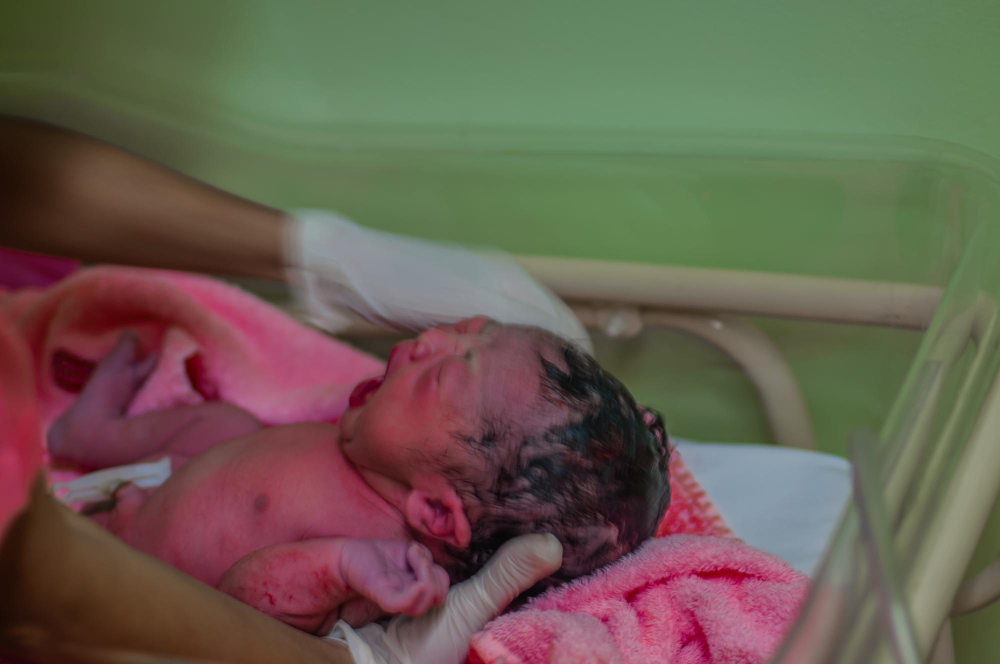
Erb’s palsy is a devastating birth injury that occurs when the nerves controlling a baby’s arm are damaged during delivery. This brachial plexus injury can leave children with permanent arm weakness, limited mobility, and lifelong disability. In many cases, Erb’s palsy results from improper delivery techniques that could have been avoided.
Understanding Erb’s Palsy and Brachial Plexus Injuries
The brachial plexus is a network of nerves running from the spinal cord through the neck and into the arm. These nerves control movement and sensation in the shoulder, arm, and hand. When excessive force stretches or tears these nerves during delivery, the result is brachial plexus injury, commonly called Erb’s palsy when the upper nerves are affected.
Brachial plexus injuries affect approximately 1 to 3 per 1,000 live births. While some cases resolve with physical therapy, others result in permanent paralysis requiring surgery and lifelong accommodation.
Types of Brachial Plexus Injuries
Erb’s Palsy (Upper Brachial Plexus Injury) – Affects the C5 and C6 nerve roots, causing weakness in the shoulder and upper arm. The arm may hang limply at the side with the forearm rotated inward, the classic “waiter’s tip” position.
Klumpke’s Palsy (Lower Brachial Plexus Injury) – Affects the C8 and T1 nerve roots, causing weakness in the forearm, wrist, and hand. Children may have difficulty grasping objects or making a fist.
Total Brachial Plexus Palsy – Affects all nerve roots (C5-T1), causing complete paralysis of the entire arm. This is the most severe form and often results in permanent disability.
Severity Classifications
Nerve damage severity determines prognosis and treatment needs:
- Neurapraxia (stretch injury) – The mildest form, where nerves are stretched but not torn. Most cases resolve within 3-6 months with physical therapy.
- Neuroma – Nerve fibers are damaged and scar tissue forms during healing. Recovery is partial, and some weakness may persist.
- Rupture – The nerve is torn but remains attached to the spinal cord. Surgical repair (nerve grafting) may restore some function.
- Avulsion – The nerve root is completely torn from the spinal cord. This most severe injury cannot be surgically repaired at the root, though nerve transfers may provide limited improvement.
How Erb’s Palsy Occurs During Delivery
Erb’s palsy typically occurs when excessive lateral force is applied to the baby’s head and neck during delivery. Common scenarios include:
Shoulder Dystocia
The most common cause of Erb’s palsy is shoulder dystocia, when the baby’s shoulder becomes stuck behind the mother’s pubic bone after the head delivers. If the physician uses excessive downward traction on the head to free the shoulder, the brachial plexus can stretch or tear.
Improper Use of Delivery Instruments
Forceps and vacuum extractors can cause brachial plexus injuries when used improperly or when excessive force is applied. These instruments require careful technique and should be abandoned if delivery doesn’t progress.
Breech Delivery
In breech presentations, the baby’s arms can become trapped above the head. Improper manipulation to free the arms can stretch the brachial plexus.
Large Birth Weight
Macrosomic babies (over 4,000-4,500 grams) face increased risk of shoulder dystocia and brachial plexus injury. When large birth weight is anticipated, providers should discuss cesarean delivery to avoid traumatic vaginal delivery.
Signs Your Baby Has Erb’s Palsy
Parents may notice signs of brachial plexus injury immediately after birth or within the first few days:
- Arm hanging limply at the side while the other arm moves normally
- Arm held in “waiter’s tip” position (rotated inward with wrist flexed)
- Weak or absent grip in affected hand
- Lack of Moro reflex (startle response) on affected side
- Decreased movement when the baby is startled or stimulated
- Inability to raise arm or bend elbow
Treatment for Erb’s Palsy
Treatment depends on injury severity and must begin early for best outcomes:
Physical Therapy
Daily range-of-motion exercises prevent joint contractures and muscle atrophy while waiting for nerve recovery. Parents learn exercises to perform at home between therapy sessions.
Occupational Therapy
As children grow, occupational therapy helps them develop adaptive techniques for daily activities, fine motor skills, and age-appropriate independence.
Surgical Intervention
When natural recovery doesn’t occur within 3-6 months, surgical options include:
- Nerve grafting – Using donor nerves to bridge gaps in damaged nerves
- Nerve transfer – Redirecting functioning nerves to restore movement
- Tendon transfer – Moving tendons to improve function in older children
- Muscle release – Correcting contractures that develop from muscle imbalance
- Osteotomy – Bone surgery to correct rotational deformities
Botox Injections
Botulinum toxin injections can temporarily weaken overactive muscles, allowing weaker muscles to strengthen and improving arm position.
Long-Term Effects of Erb’s Palsy
Children with permanent Erb’s palsy face lifelong challenges:
- Arm length discrepancy – The affected arm may grow shorter than the unaffected arm
- Muscle weakness – Reduced strength affecting daily activities and sports
- Limited range of motion – Difficulty reaching overhead, behind the back, or across the body
- Chronic pain – Nerve damage can cause ongoing discomfort
- Scoliosis – Muscle imbalance may contribute to spinal curvature
- Psychological impact – Self-consciousness about appearance and limitations
- Career limitations – Reduced options for occupations requiring full arm function
Medical Negligence in Erb’s Palsy Cases
Erb’s palsy often results from preventable errors during delivery:
Failure to anticipate shoulder dystocia – When risk factors like large birth weight, maternal diabetes, or previous shoulder dystocia are present, physicians should plan for potential complications, including recommending cesarean delivery.
Excessive traction during delivery – The standard of care prohibits excessive downward force on the fetal head during shoulder dystocia. Proper technique involves maternal repositioning maneuvers first.
Failure to perform proper maneuvers – Established techniques like the McRoberts maneuver and suprapubic pressure should be attempted before any traction. Failure to follow these protocols constitutes negligence.
Improper instrument use – Excessive force with forceps or vacuum extractors, or continued instrument use when delivery isn’t progressing, can cause brachial plexus injury.
Delayed cesarean decision – When vaginal delivery risks are high, failure to recommend cesarean delivery may constitute negligence.
Compensation for Erb’s Palsy Injuries
Families may recover compensation for:
- Past and future medical expenses (therapy, surgery, adaptive equipment)
- Pain and suffering, including ongoing nerve pain and emotional distress (see pain and suffering damages in Illinois)
- Disability and disfigurement
- Loss of future earning capacity
- Life care needs for severe cases
- Parents’ emotional distress
Lifetime costs for severe Erb’s palsy can exceed $1 million when considering ongoing therapy, multiple surgeries, vocational limitations, and adaptive needs.
Illinois Birth Injury Claims
Under section 2-622 of the Illinois Code of Civil Procedure, 735 ILCS 5/2-622, birth injury claims require a certificate of merit from a qualified health professional. The statute of limitations provides extended time for minors, claims must generally be filed within 8 years of the negligent act under 735 ILCS 5/13-212.
Contact an Illinois Erb’s Palsy Attorney
If your child was diagnosed with Erb’s palsy or brachial plexus injury after a difficult delivery, you may have a medical malpractice claim. At Phillips Law Offices, we work with obstetric and pediatric experts to investigate birth injuries and determine whether negligence occurred.
Contact Phillips Law Offices at (312) 346-4262 for a free consultation. We handle birth injury cases on contingency, you pay nothing unless we recover compensation for your family.
More Birth Injury Guides
- Main guide: Erb’s Palsy Birth Injury: Causes, Signs & Legal Options
- Shoulder Dystocia: When Delivery Complications Cause Permanent Injuries
- Shoulder Dystocia and Erb’s Palsy: Risk Factors, Response, and Claims
- Brachial Plexus Birth Injury
- Delayed C-Section Birth Injuries: When Minutes Matter and Hospitals Fail to Act
- What Compensation Can I Recover in a Chicago Birth Injury Case?
- Browse all birth injury guides