
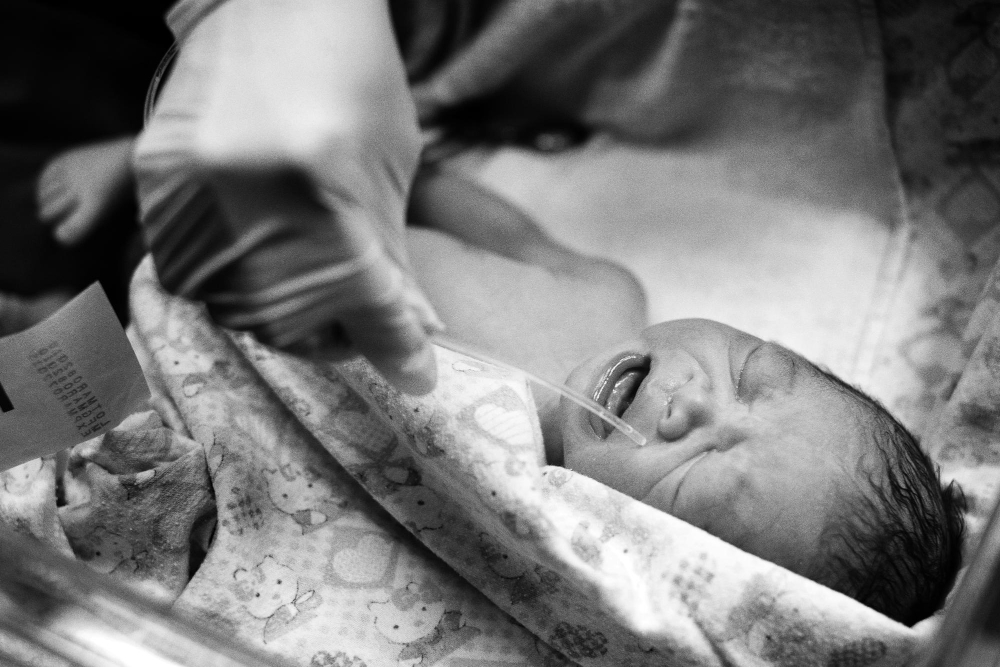
Placental abruption is a life-threatening obstetric emergency that occurs when the placenta separates from the uterine wall before delivery. When medical providers fail to recognize the signs of abruption and act quickly, the consequences can be catastrophic, including severe brain damage to the baby and life-threatening hemorrhage for the mother.
Understanding Placental Abruption
The placenta is the baby’s lifeline, delivering oxygen and nutrients from the mother’s blood and removing waste. When the placenta detaches from the uterine wall prematurely, this vital connection is disrupted. Depending on the size of the separation, the baby may receive reduced oxygen or lose oxygen supply completely.
Placental abruption occurs in approximately 1% of pregnancies and is responsible for a significant percentage of perinatal deaths. While some abruptions are minor and can be managed conservatively, severe abruption requires emergency delivery to save the baby’s life.
Types of Placental Abruption
Partial abruption – Only a portion of the placenta separates. Depending on severity, the pregnancy may continue with close monitoring, or immediate delivery may be necessary.
Complete abruption – The entire placenta separates from the uterine wall. This is a catastrophic emergency requiring immediate cesarean delivery.
Concealed abruption – Blood becomes trapped between the placenta and uterine wall rather than exiting through the vagina. This dangerous presentation can be missed because external bleeding is absent despite internal hemorrhage.
Revealed abruption – Blood exits through the vagina, making the condition more apparent. However, the amount of visible bleeding may not reflect the true severity.
Risk Factors for Placental Abruption
Medical providers should be alert to patients with increased abruption risk:
- Hypertension – Chronic hypertension and preeclampsia significantly increase risk
- Previous abruption – History of abruption increases recurrence risk 10-fold
- Maternal age over 35 – Advanced maternal age is associated with increased risk
- Cocaine use – Strong association with placental abruption
- Cigarette smoking – Doubles the risk of abruption
- Trauma – Motor vehicle accidents or falls can cause abruption
- Polyhydramnios – Excess amniotic fluid
- Chorioamnionitis – Infection of the fetal membranes
- Multiple gestation – Twins or higher-order multiples
- Premature rupture of membranes – Especially with rapid fluid loss
Warning Signs of Placental Abruption
Medical providers must recognize these clinical signs:
Maternal Symptoms
- Vaginal bleeding – Present in about 80% of cases, but may be absent in concealed abruption
- Abdominal pain – Sudden, severe pain often described as constant rather than cramping
- Uterine tenderness – Pain when the abdomen is touched
- Uterine rigidity – The uterus feels hard or “board-like”
- Back pain – Especially with posterior placenta location
- Frequent contractions – Often high-frequency, low-amplitude contractions
Fetal Signs
- Abnormal fetal heart rate patterns – Late decelerations, absent variability, bradycardia
- Reduced fetal movement – Mother reports baby moving less
- Fetal distress – Category III patterns on monitoring
- Fetal death – In severe cases, sudden loss of heart tones
Maternal Vital Sign Changes
- Tachycardia – Rapid heart rate indicating blood loss
- Hypotension – Low blood pressure from hemorrhage
- Signs of shock – Pale, clammy skin, altered consciousness
Diagnostic Evaluation
When abruption is suspected, providers should:
- Continuous fetal monitoring – To assess fetal status and contraction pattern
- Ultrasound – Can sometimes visualize retroplacental hematoma, though ultrasound misses 50% of abruptions
- Laboratory studies – CBC, coagulation panel, type and screen for possible transfusion
- Clinical assessment – Physical examination findings often more reliable than imaging
Importantly, a normal ultrasound does NOT rule out placental abruption. The diagnosis is often clinical, based on symptoms, examination, and fetal status. Providers who wait for imaging confirmation while the baby is in distress commit a dangerous error.
Standard of Care for Placental Abruption
Management depends on gestational age, abruption severity, and maternal-fetal status:
Severe Abruption with Fetal Distress
Immediate cesarean delivery is required. Every minute of delay increases the risk of permanent brain damage or death. The 30-minute decision-to-incision standard applies, but many experts argue that true emergencies require even faster response.
Moderate Abruption at Term
Close monitoring with preparation for immediate delivery. If fetal status deteriorates, emergency cesarean is indicated.
Minor Abruption with Stable Status
May be managed with close observation, continuous monitoring, and bed rest. However, providers must be prepared to intervene immediately if status changes.
Medical Negligence in Abruption Cases
Common failures in placental abruption cases include:
Failure to recognize symptoms – Dismissing abdominal pain as “normal labor” or attributing bleeding to other causes without adequate evaluation.
Over-reliance on ultrasound – Ruling out abruption based on normal imaging despite clinical signs and fetal distress.
Delayed delivery – Waiting too long to perform cesarean delivery when fetal distress is present.
Inadequate monitoring – Not recognizing the developing emergency because monitoring was inadequate or patterns were misinterpreted.
Failure to prepare – Not having blood products available, surgical team assembled, or operating room ready when abruption is suspected.
Communication failures – Nurses not conveying urgency to physicians, or delayed response to urgent calls.
Injuries from Delayed Abruption Diagnosis
When placental abruption is not promptly recognized and treated, consequences include:
Injuries to the Baby
- Hypoxic-ischemic encephalopathy – Brain damage from oxygen deprivation
- Cerebral palsy – Permanent motor impairment
- Intellectual disability – Cognitive impairments
- Stillbirth – Fetal death from prolonged hypoxia (see wrongful death and survival actions in Illinois)
- Neonatal death – Death after delivery from complications
Injuries to the Mother
- Hemorrhagic shock – Life-threatening blood loss
- DIC (disseminated intravascular coagulation) – Dangerous clotting disorder
- Hysterectomy – Removal of uterus to control bleeding
- Transfusion complications – From massive blood replacement
- Maternal death – In severe cases
Proving a Placental Abruption Case
Successful claims require demonstrating:
- Signs and symptoms were present – Medical records show warning signs that should have been recognized
- Standard of care required faster action – Expert testimony establishes what should have been done and when
- Delay caused injury – Earlier delivery would have prevented or reduced harm
- Damages occurred – The child suffered permanent injury or death
Under section 2-622 of the Illinois Code of Civil Procedure, 735 ILCS 5/2-622, a qualified health professional must review the records and provide a certificate of merit, filed with the complaint or within 90 days after it.
Contact an Illinois Placental Abruption Attorney
If you believe delayed diagnosis or treatment of placental abruption caused injury to your child, contact Phillips Law Offices for a free case evaluation. We work with maternal-fetal medicine specialists and neonatologists to investigate these cases and determine whether negligence occurred.
Call Phillips Law Offices at (312) 346-4262. We handle birth injury cases on contingency, you pay nothing unless we recover compensation for your family.
More Birth Injury Guides
- Main guide: Placental Abruption or Placenta Previa: Warning Signs and Standard of Care
- Gestational Diabetes Errors: Missed Screening and Big Baby Risks
- Preeclampsia Mismanagement: When Warning Signs Are Ignored
- Maternal Infections and Newborn Injury: Missed Diagnosis or Delayed Treatment
- Maternal Injuries During Childbirth
- Delayed C-Section Birth Injuries: When Minutes Matter and Hospitals Fail to Act
- Browse all birth injury guides