
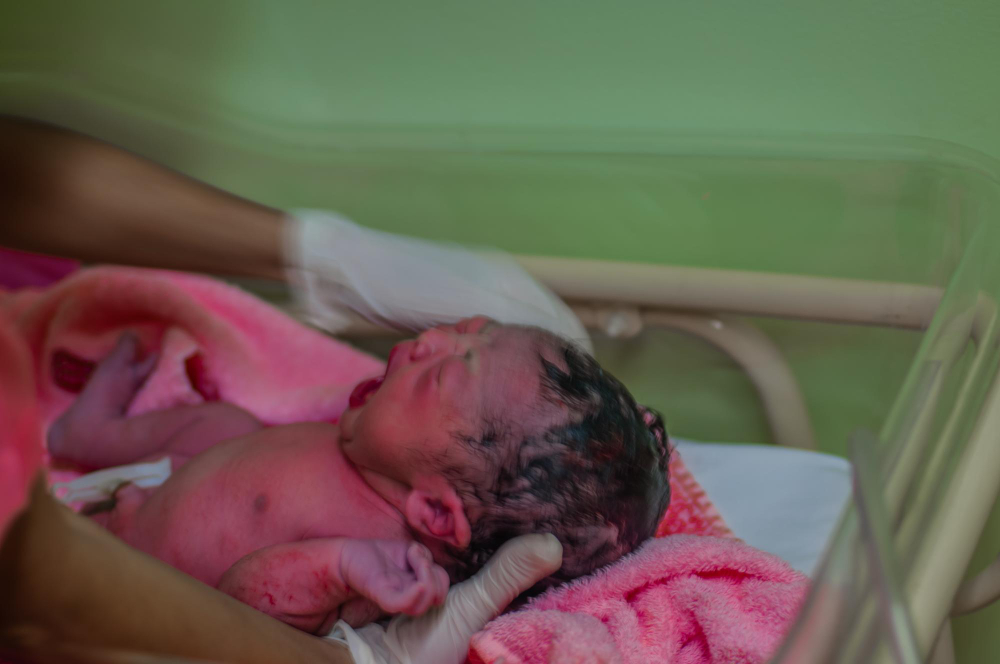
Childbirth is a deeply personal experience, but for some mothers, it leads to serious maternal injuries caused by medical negligence, improper monitoring, or preventable complications. These injuries can have lifelong consequences for both the mother and her family. At Phillips Law Offices in Chicago, Illinois, we understand how devastating these injuries can be and are committed to helping families obtain accountability. If you or a loved one suffered a maternal injury during childbirth, you may be entitled to financial compensation for medical costs, pain, and emotional suffering.
Understanding Maternal Injuries During Childbirth
Maternal injuries refer to physical or emotional harm a mother experiences during labor or delivery. While childbirth always carries some level of risk, many injuries occur due to avoidable medical errors such as delayed diagnosis, poor monitoring, or improper medical intervention.
These injuries can range from mild perineal tears to severe complications like uterine rupture, nerve damage, or internal organ trauma. In some cases, the harm results from inadequate use of medical instruments like forceps or vacuum extractors, or the failure to perform a timely cesarean section.
When healthcare professionals fail to meet the standard of care, the results can be tragic. Mothers may suffer long-term disability, chronic pain, or loss of reproductive ability. These outcomes are not just medical issues. When they trace back to a preventable failure in care, Illinois law treats them as legal matters that deserve accountability, not just a difficult chapter to move past quietly.
One distinction that matters early on: a maternal injury claim is legally separate from a birth injury claim on behalf of the baby, even when both happen during the same delivery. The mother has her own claim, her own statute of limitations, and her own damages, distinct from any claim the child may have. Families dealing with both an injured mother and an injured baby from the same delivery are often navigating two related but procedurally separate legal matters at once, which is part of why working with a single firm familiar with both sides of the case tends to simplify things considerably.
Common Types of Maternal Injuries
1. Perineal Tears and Vaginal Trauma
Perineal tears are among the most common maternal injuries during vaginal delivery. While minor tears are often unavoidable, severe lacerations involving the anal sphincter or rectum are frequently preventable with proper medical care.
Improper delivery techniques, excessive use of forceps, or delayed medical response can lead to these serious injuries. Women who suffer third or fourth-degree tears may face painful recovery periods, infection risks, incontinence, and sexual dysfunction. Prompt recognition and surgical repair are crucial, but when neglected, these injuries can result in lifelong discomfort that a proper repair at the time of delivery could have largely prevented.
2. Uterine Rupture
A uterine rupture is one of the most dangerous childbirth complications. It typically occurs when the uterus tears along a previous C-section scar during labor, which is why hospitals are expected to monitor VBAC (vaginal birth after cesarean) patients especially closely. It can also happen due to excessive uterine stimulation from labor-inducing medications such as oxytocin, particularly when dosing is not adjusted as contractions intensify.
This condition is an obstetric emergency that requires immediate surgical intervention. Delayed recognition can cause severe internal bleeding, loss of fertility, or death. If medical professionals fail to monitor labor adequately or ignore warning signs such as sudden severe abdominal pain or a change in fetal heart tones, they may be legally liable for the resulting injuries.
3. Nerve Damage and Pelvic Injuries
Maternal nerve damage can occur when the baby’s position or the delivery technique compresses key nerves in the pelvis. The femoral and pudendal nerves are particularly vulnerable, leading to pain, numbness, or loss of muscle control in the legs and pelvic region.
In many cases, prolonged labor or improper use of delivery instruments increases the risk of nerve injury. Such damage sometimes resolves over time, but some women suffer long-term mobility issues or chronic pain. Proper fetal positioning and timely interventions can often prevent these injuries from occurring in the first place.
4. Postpartum Hemorrhage
Postpartum hemorrhage, severe bleeding after childbirth, is a leading cause of maternal death worldwide. It often occurs when the uterus fails to contract properly after delivery, or when medical staff overlook signs of excessive bleeding during the first critical hour postpartum.
If healthcare providers fail to take immediate measures such as administering uterotonic medications, performing uterine massage, or moving quickly to emergency surgery, the mother’s life may be at risk. Speed matters enormously here, and any delay can have catastrophic consequences. Families affected by a delayed response to postpartum hemorrhage should consult a Chicago birth injury lawyer to understand their legal options.
5. Retained Placenta and Placental Complications
When part or all of the placenta fails to separate and deliver normally after birth, it can cause dangerous bleeding and infection if not identified and treated promptly. This condition, sometimes involving a placenta that has grown too deeply into the uterine wall, generally requires either manual removal or surgical intervention. Delayed recognition of a retained placenta is a recurring theme in postpartum hemorrhage cases, since the two conditions often overlap and compound each other when staff do not act quickly.
6. Infection and Sepsis After Delivery
Postpartum infections, whether from a surgical incision, retained tissue, or an untreated tear, can progress to sepsis if warning signs are missed. Fever, unusual pain, or foul-smelling discharge in the days after delivery are signs that should prompt immediate evaluation, not a wait-and-see approach. When a hospital discharges a mother without adequately screening for infection risk, or fails to follow up appropriately, a preventable infection can become a life-threatening emergency within days.
A common thread runs through most of the injury types above: the earliest hours after delivery are the highest-risk window, and hospital staffing and attentiveness during that window vary considerably between facilities and even between shifts at the same facility. Overnight and weekend staffing levels are a recurring factor in cases where a warning sign was documented but not escalated quickly enough.
Causes of Maternal Injuries
Several factors contribute to maternal injuries during childbirth. Some are naturally occurring, but many result from medical malpractice or preventable mistakes.
Common causes include:
- Failure to monitor fetal and maternal distress during labor
- Improper use of delivery instruments such as forceps or vacuum extractors
- Delayed C-section despite clear warning signs
- Incorrect medication or dosage during labor induction, including anesthesia errors
- Negligent prenatal or postnatal care
- Failure to recognize or manage preeclampsia and related blood pressure complications
When healthcare providers fail to meet accepted medical standards, the mother can suffer permanent damage. Families deserve to know what actually happened and to pursue accountability through the legal system rather than accepting a vague explanation.
Long-Term Consequences of Maternal Injuries
The effects of maternal injuries go far beyond physical pain. Many mothers experience emotional trauma, postpartum depression, and anxiety, especially when their injuries limit daily functioning or affect future pregnancies.
Physical complications such as urinary or fecal incontinence, chronic pelvic pain, or infertility can severely affect quality of life. Relationships, mental health, and professional opportunities may all be affected in ways that are hard to fully anticipate in the first weeks after delivery.
Financially, the burden can be significant, covering surgeries, rehabilitation, therapy, and long-term medical care. Securing fair compensation is not just about money. It is about restoring some measure of dignity and holding the responsible parties accountable for what happened.
Support resources exist alongside the legal process, and pursuing one does not require putting off the other. Postpartum support groups, pelvic floor physical therapists, and maternal mental health specialists can all play a role in recovery while a legal claim moves forward in parallel. Many families find it easier to manage both tracks once they have an attorney handling the records requests and insurer communications, since that frees up energy for the medical side of recovery.
A Simplified Example
To illustrate how these pieces come together, consider a hypothetical, not an actual case: a mother experiences heavy bleeding roughly 45 minutes after delivery, but nursing staff attribute it to normal postpartum discharge for another 30 minutes before escalating to the attending physician. By the time treatment begins, the mother has lost enough blood to require a transfusion and an extended ICU stay. In a case built around a scenario like this, an attorney would need the nursing notes documenting vital signs and blood loss estimates, the timeline of when staff were notified, and an expert obstetric nurse or physician willing to testify about when escalation should have happened. This is a simplified illustration meant to show how a delay-based maternal injury claim gets built, not a description of any client’s actual case.
How Phillips Law Offices Can Help
At Phillips Law Offices in Chicago, Illinois, we have decades of experience handling complex birth injury and maternal injury cases. Our attorneys understand both the medical and legal sides of these claims and work to uncover every detail that led to the injury.
We collaborate with medical experts to review hospital records, analyze treatment decisions, and determine where negligence occurred. That process typically starts with a full request for the labor and delivery record, not just the discharge summary, since discharge paperwork is written after the fact and rarely captures the minute-by-minute decisions that actually determine whether a case exists. Our team aims to recover compensation for:
- Medical expenses and ongoing treatment
- Pain and suffering
- Lost income and future earnings
- Emotional distress
- Loss of consortium
We provide direct legal representation while pushing back firmly against hospitals and insurance companies that deny responsibility for a preventable injury.
Questions Mothers Often Ask
Can I file a claim if I was told my injury was just a normal part of childbirth?
Yes, that explanation deserves independent review rather than automatic acceptance. Hospitals sometimes describe a preventable complication as an unavoidable risk of delivery. An attorney working with an independent medical expert can review your records and tell you whether that characterization actually holds up.
What if my injury wasn’t obvious until weeks after delivery?
Some maternal injuries, particularly pelvic floor and nerve damage, do not fully reveal themselves until a mother returns to normal activity weeks or months later. Illinois’s discovery-based statute of limitations accounts for this, but the sooner records are reviewed after symptoms appear, the easier it is to secure evidence.
Does it matter if my regular OB wasn’t the one who delivered my baby?
Not for purposes of a claim. Hospital-employed physicians, on-call obstetricians, and covering doctors can all be held to the same standard of care, and liability can extend to the hospital itself depending on the circumstances.
Will pursuing a claim affect my care at the same hospital in a future pregnancy?
Hospitals are not permitted to retaliate against a patient for pursuing a legitimate malpractice claim, and doing so would create separate legal exposure for the hospital. Many mothers who file a claim after one delivery do return to a different provider for a subsequent pregnancy simply for peace of mind, which is a personal decision rather than a legal requirement.
Legal Rights for Mothers in Illinois
Under Illinois law, mothers who suffer preventable injuries during childbirth have the right to pursue a medical malpractice claim against the responsible parties. Hospitals, obstetricians, nurses, and anesthesiologists can all be held accountable for errors that lead to harm.
In most cases, you must prove that:
- A doctor-patient relationship existed.
- The provider failed to meet the standard of care.
- The negligence directly caused the injury.
- The injury resulted in measurable damages.
Illinois’s medical malpractice statute of limitations, 735 ILCS 5/13-212, generally gives a mother pursuing a claim for her own injuries two years from the date she discovers the injury to file, and no more than four years from the date the malpractice occurred. That is a shorter and different deadline than the one that applies when a claim is brought on behalf of an injured child, so it is worth having an attorney confirm exactly which deadline governs your situation.
Before any malpractice lawsuit can proceed, Illinois also requires an affidavit of merit under 735 ILCS 5/2-622 – a written report from a qualified health professional confirming there is a reasonable basis for the claim. Skipping or mishandling this step can get a case dismissed on procedural grounds regardless of how strong the underlying facts are, which is one of the main reasons families should not try to file a maternal injury claim without an attorney.
If the delivery happened at a public or county-run facility, such as a Cook County Health hospital, a separate and much shorter deadline applies. The Illinois Tort Immunity Act, 745 ILCS 10/8-101(b), sets a two-year deadline from discovery of the injury, with a four-year outer limit, in place of the longer deadline described above. Missing that notice window can bar a claim even when the underlying malpractice suit would otherwise still be timely.
Illinois does not cap non-economic damages, including pain and suffering, in medical malpractice cases. The Illinois Supreme Court struck down the state’s prior damages cap in Lebron v. Gottlieb Memorial Hospital, 237 Ill. 2d 217 (2010), ruling that a jury, not a statutory formula, decides what pain and suffering is worth. For mothers dealing with a permanent pelvic floor injury, chronic pain, or loss of future fertility, that ruling matters, since it means the full scope of the harm can be presented to a jury rather than capped in advance.
When to Contact a Birth Injury Attorney
If you suspect that your injury during childbirth was caused by medical negligence, it is worth seeking legal advice sooner rather than later. The signs are not always obvious at first, but if you experienced severe bleeding, infection, persistent pain, or reproductive complications, an attorney can help determine whether malpractice occurred.
At Phillips Law Offices, we offer a free consultation and charge no fee unless you win. This means you can discuss your case with a qualified lawyer without worrying about upfront costs. Our team handles every aspect of your case, from investigation to negotiation and, if necessary, trial, so you can focus on your recovery instead of the legal process.
Contact Phillips Law Offices Today
If you or a loved one suffered a maternal injury during childbirth, do not face this alone. Contact Phillips Law Offices today for legal guidance and direct representation.
Address: 161 N Clark St, Suite 4925, Chicago, IL
Call Now: (312) 346-4262
Free Consultation | No Fee Unless You Win
Our Chicago birth injury lawyers are here to protect your rights and help you pursue the compensation you deserve. Every mother deserves safe medical care, and accountability when that trust is broken.
More Birth Injury Guides
- Maternal Birth Injury to Mother: Pregnancy Complications from Negligence
- Postpartum Hemorrhage: When a Slow Response Endangers Mothers
- When a Mother Dies from Childbirth Complications: Illinois Wrongful Death
- Stillbirth in Illinois: Understanding Medical Negligence and Options
- What Compensation Can I Recover in a Chicago Birth Injury Case?
- Browse all birth injury guides