
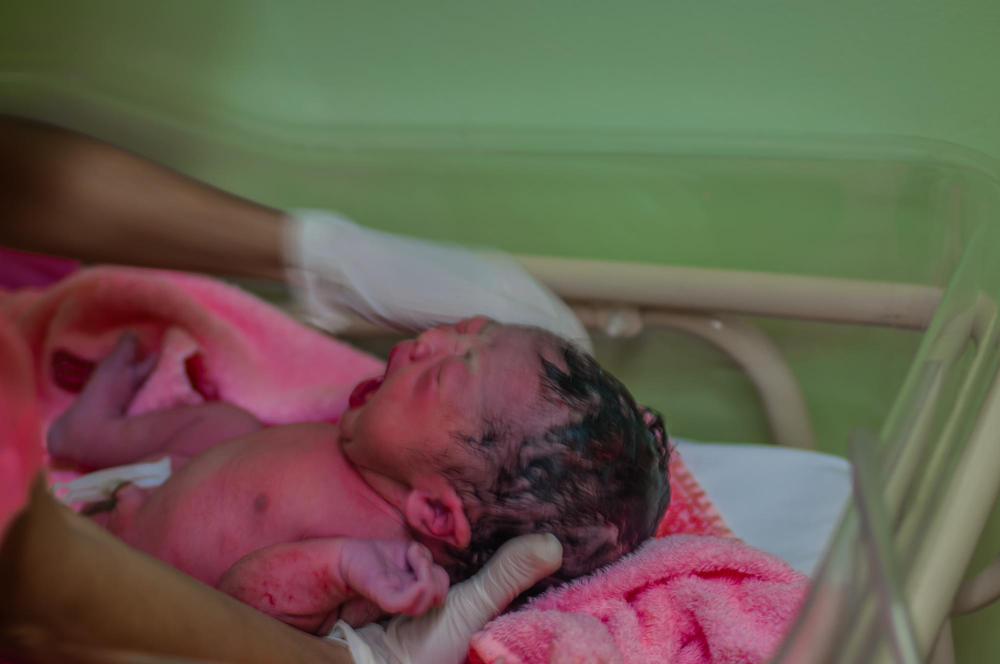
At Phillips Law Offices, we’ve seen firsthand how medical negligence during childbirth can devastate families. Birth injuries caused by doctor or hospital errors often lead to lifelong medical complications, emotional trauma, and financial hardship.
Not every birth injury is caused by negligence. Childbirth carries real medical risk even when every provider does everything right. But a meaningful share of these injuries are preventable, and recognizing the patterns below can help a family decide whether their case deserves a closer look. Many of the categories below overlap in practice, which is part of why a records-based review matters more than trying to diagnose the problem from memory alone.
Our Chicago birth injury attorneys focus on identifying the mistakes that medical providers don’t always volunteer. Below are the most common forms of medical negligence we see in Illinois hospitals and clinics.
1. Failure to Monitor Fetal Distress
During labor and delivery, doctors and nurses must continuously monitor the baby’s heart rate and oxygen levels. These readings help identify fetal distress, a condition where the baby isn’t getting enough oxygen.
When medical staff ignore abnormal heart rate patterns or fail to act quickly, the baby may experience brain damage from oxygen deprivation, cerebral palsy, seizure disorders, or in the most severe cases, stillbirth or neonatal death.
Negligent fetal monitoring is one of the most common forms of medical malpractice we encounter, and one of the most consequential. Hospitals are required to have trained staff and functioning monitoring equipment on every shift, yet these standards are sometimes neglected during busy or understaffed periods.
2. Delayed or Improper Cesarean Section
A C-section can save a baby’s life when complications arise, but timing is everything. Doctors must recognize when vaginal delivery is no longer safe, for instance in cases of fetal distress, umbilical cord compression, placental abruption, or cephalopelvic disproportion, where the baby’s head is too large for the birth canal.
A delay in performing a C-section can cause irreversible brain injury or death. Performing one without medical justification carries its own risks for the mother. Cases involving both delayed and inappropriately timed C-sections are among the most frequent birth injury claims we review, and the fetal monitoring strip is usually the single most important document in establishing exactly when the decision to operate should have been made.
3. Improper Use of Forceps or Vacuum Extractor
In some deliveries, doctors use assistive tools like forceps or vacuum extractors to guide the baby through the birth canal. These instruments require precision and training, and they are not appropriate for every delivery.
Used incorrectly, they can cause a fractured skull or clavicle, nerve damage such as Erb’s palsy or a brachial plexus injury, facial paralysis, or a brain hemorrhage. Forceful or repeated attempts, especially after an initial pull fails, may indicate that the doctor should have switched to a C-section instead of continuing.
4. Medication and Anesthesia Errors
Labor often requires medication to manage pain, induce or augment contractions, or prevent infection. Incorrect dosage or administration can endanger both mother and baby.
Common errors include administering too much Pitocin, which can lead to uterine rupture or fetal distress from contractions that come too fast and too hard; giving the mother the wrong medication or an incorrect dose; and improper epidural or spinal block placement that causes nerve damage or, in rare cases, paralysis.
Medical staff are expected to verify every medication, dose, and known allergy before administering it. A failure here is a clear and often well-documented breach of duty.
5. Failure to Diagnose or Treat Maternal Conditions
OB/GYNs are responsible for monitoring the mother’s health throughout pregnancy. Negligence in diagnosing or treating gestational diabetes, preeclampsia or eclampsia, or infections like Group B Streptococcus can result in serious birth complications or long-term disabilities in the child.
If a doctor skipped a necessary test, dismissed a reported symptom, or delayed treatment once a condition was identified, that gap may amount to malpractice on its own, independent of anything that happened during delivery itself.
6. Negligent Prenatal Care
Proper prenatal care means scheduling the routine tests, ultrasounds, and screenings that catch problems early. Negligent prenatal care includes failing to identify multiple fetuses, missing fetal growth restriction, ignoring abnormal lab results, or failing to refer a patient to a maternal-fetal medicine specialist when the pregnancy calls for it.
Poor prenatal care raises the risk of premature birth, low birth weight, and birth trauma that a more attentive care plan would likely have caught in advance.

7. Improper Handling of Shoulder Dystocia
Shoulder dystocia occurs when the baby’s shoulder gets caught behind the mother’s pelvic bone during delivery. This is a recognized emergency with established maneuvers to resolve it. Improper handling can cause brachial plexus injuries, clavicle or other fractures, and oxygen deprivation if the delivery is prolonged. Any deviation from the standard emergency response may point to negligence.
8. Negligence During Postpartum Care
Medical responsibility doesn’t end once the baby is delivered. Staff must continue monitoring both mother and baby for signs of distress, bleeding, or infection in the hours and days that follow. Common postpartum negligence includes failing to detect internal bleeding or uterine rupture, ignoring signs of infection or blood clots in the mother, or missing newborn jaundice or respiratory distress that needed prompt treatment.
9. Miscommunication Among Medical Staff
Hospitals are busy environments, and a birth injury case frequently involves several providers: an obstetrician, labor and delivery nurses, and an anesthesiologist, often on overlapping shifts. When a change in fetal heart rate, a medication dose, or a maternal symptom doesn’t get passed along clearly between them, the result can be catastrophic. In these cases, the injury usually traces back not to one dramatic mistake but to a breakdown in communication and hospital procedure.
10. Inadequate Hospital Policies and Training
Hospitals are responsible for making sure their staff are properly trained and their emergency protocols are current. Insufficient staffing on a given shift, outdated fetal monitoring equipment, or a lack of emergency preparedness for obstetric complications all put mothers and babies at risk. In these cases, both the hospital and the individual providers involved can share liability.
11. Failure to Properly Resuscitate a Newborn
When a baby is born not breathing well or with a low Apgar score, the delivery team has a narrow window to begin effective resuscitation. Neonatal resuscitation follows well-established, protocol-driven steps. A delayed response, an improperly performed intervention, or a failure to escalate to a NICU team when the initial steps aren’t working can turn a manageable transition into a permanent brain injury.
Why These Failures Are Often Missed at First
Most parents leave the hospital trusting that their care team did everything right, and in the immediate aftermath of a difficult delivery, there usually isn’t time to question decisions made in an emergency. It’s often only later, once a pediatrician raises a concern about muscle tone, a delayed milestone, or an unusual movement pattern, that a family starts connecting the dots back to the delivery itself. By that point, the hospital’s own explanation, if one was ever given, tends to be brief and framed around an “unavoidable complication.” That explanation is worth taking seriously, but it isn’t the same thing as an independent review of what the records actually show.
Chicago and Cook County Hospital Considerations
Families in the Chicago area deliver at facilities ranging from large academic medical centers to smaller community hospitals, and the resources available at each one vary. A unit that’s short-staffed on a particular night shift, or a smaller facility without an obstetrician physically present around the clock, can introduce risk factors that exist separately from whatever an individual doctor did or didn’t do. Reviewing staffing records and hospital protocols alongside the individual provider’s conduct is part of how a full investigation into any of the categories above gets built.
Illinois’ Legal Framework for These Claims
Proving medical negligence requires establishing four elements: duty of care, meaning the provider owed the patient a professional obligation; breach of duty, meaning the provider’s conduct fell below the accepted standard; causation, meaning the breach directly caused the injury; and damages, meaning the injury resulted in measurable harm such as medical bills, pain, or long-term disability.
Illinois also requires, under 735 ILCS 5/2-622, a written report from a qualified healthcare professional confirming a reasonable and meritorious basis for the claim, filed with the complaint or within 90 days after it. And under 735 ILCS 5/13-212, the filing deadline for a minor’s claim runs on a different, longer timeline than an adult’s would, subject to an outer limit tied to the date of the injury. The exact deadline depends on your child’s specific facts, so it’s worth having an attorney check rather than assuming.
A Hypothetical Example
To show how several of these categories can overlap, consider a hypothetical, not a real case: a mother with a documented history of preeclampsia isn’t scheduled for the closer monitoring her condition calls for. Her blood pressure spikes during labor, but the nursing staff doesn’t flag it to the attending physician for over an hour. By the time magnesium sulfate is administered, the baby has already experienced a period of reduced oxygen. In a case like this, an expert reviewing the chart would look at both the prenatal care gap and the delayed in-labor response, since either one, or both together, could establish the breach.
What Compensation Can Cover
When one of these failures causes a lasting injury, the financial impact on a family typically extends far beyond the initial hospital bill. A successful claim can account for past and future medical expenses, the cost of ongoing therapy, adaptive equipment, and in-home care, lost income for a parent who has stepped back from work to provide care, and compensation for the child’s pain, suffering, and reduced quality of life. In cases involving a mother’s serious injury or death, additional claims may apply on her behalf as well.
Frequently Asked Questions
How many of these categories usually apply to one case?
More than people expect. Birth injury cases frequently involve two or three overlapping failures rather than a single isolated mistake, which is why a full records review matters more than focusing on the one thing a family already suspects.
Does it matter which hospital delivered my baby?
It can. Staffing levels, equipment, and whether a physician is on-site around the clock vary between facilities, and those differences are relevant to whether a hospital, not just an individual doctor, shares responsibility.
What records should I request first?
Ask for the complete labor and delivery record, including fetal monitoring strips, nursing notes, physician orders, and medication administration records, not just the discharge summary.
Is there a cost to have my case reviewed?
No. Phillips Law Offices reviews birth injury cases on a contingency basis, and we’re only paid if we recover compensation for your family.
What if my child’s diagnosis wasn’t confirmed until years later?
That’s common with conditions like cerebral palsy, which are often not diagnosed until a child misses developmental milestones. Illinois’ statute of limitations for minors under 735 ILCS 5/13-212 accounts for this by giving families more time than an adult claim would get, though it isn’t unlimited.
Can more than one type of negligence apply to my case at once?
Yes, and it’s actually the norm rather than the exception. A delayed C-section decision, for example, often traces back to a monitoring failure and a communication breakdown between nursing staff and the attending physician, all three of which would be examined together.
Will pursuing a claim affect my child’s ongoing medical care?
No. Filing a claim doesn’t change your child’s relationship with their current medical providers, and there is no obligation to switch doctors or hospitals to pursue a case.
What to Do If You Suspect One of These Failures Occurred
- Request the complete medical record in writing, including fetal monitoring strips and nursing documentation, not just the discharge summary you were sent home with.
- Write down your own timeline of what happened and what you were told, while it’s still fresh, since memories of a chaotic delivery fade faster than people expect.
- Keep every follow-up record connected to your child’s diagnosis or ongoing care, including pediatric visits, therapy notes, and developmental screenings.
- Speak with an attorney before signing anything from the hospital’s insurer, since early settlement offers are sometimes made before the full extent of an injury is even known.
How Long Does This Kind of Case Take?
Requesting a complete hospital record can take several weeks by itself, and a thorough expert review adds more time on top of that. Illinois’ affidavit-of-merit requirement under 735 ILCS 5/2-622 means a case shouldn’t be filed until a qualified medical expert has actually reviewed the chart and is willing to put a written opinion behind it. That upfront investigation is why a responsible firm won’t promise an outcome, or even confirm whether a case has merit, on the first phone call.
Proving Medical Negligence in Birth Injury Cases
At Phillips Law Offices, our team works with independent medical experts to review hospital records, identify where care fell short, and connect those specific failures to the resulting injury. That documentation, not a general sense that something went wrong, is what a claim is actually built on. Where the record supports it, we also look at whether the hospital’s own staffing levels, training records, or equipment maintenance logs contributed to the outcome, since that evidence can extend liability beyond the individual doctor in the room.
Why Choose Phillips Law Offices
Families across Illinois choose Phillips Law Offices because we combine legal skill with a straightforward, honest approach to every case we take on, and we’re willing to tell a family early when the facts don’t support a claim rather than stringing out an investigation that isn’t going anywhere. Our Chicago birth injury lawyers have represented families across many of the negligence categories described above.
We understand you’re not just seeking compensation, you’re seeking answers and accountability. Our goal is to help your family move forward while making sure the providers responsible are held to account. Every case we take on starts with the same process regardless of which of the failures above is involved: pull the full record, get an honest expert opinion on what it shows, and give you a straight answer about what comes next.
Contact Phillips Law Offices for Help
If your child suffered a birth injury due to medical negligence, don’t face it alone. Contact Phillips Law Offices today for a free, confidential consultation.
Call (312) 346-4262
161 N Clark St, Suite 4925, Chicago, IL 60601
No Fee Unless We Win Your Case
Let our legal team review your records, explain your rights, and work toward the justice your family deserves.
More Birth Injury Guides
- Main guide: How to Identify OB/GYN Negligence?
- Midwife and Home Birth Injuries: Who Is Responsible in Illinois
- Birth Injury at a County Hospital or Community Clinic: Different Rules
- Can You Sue the Hospital If the Doctor Was Not an Employee?
- Illinois Medical Malpractice Statute of Limitations for Birth Injuries
- What Compensation Can I Recover in a Chicago Birth Injury Case?
- Browse all birth injury guides