
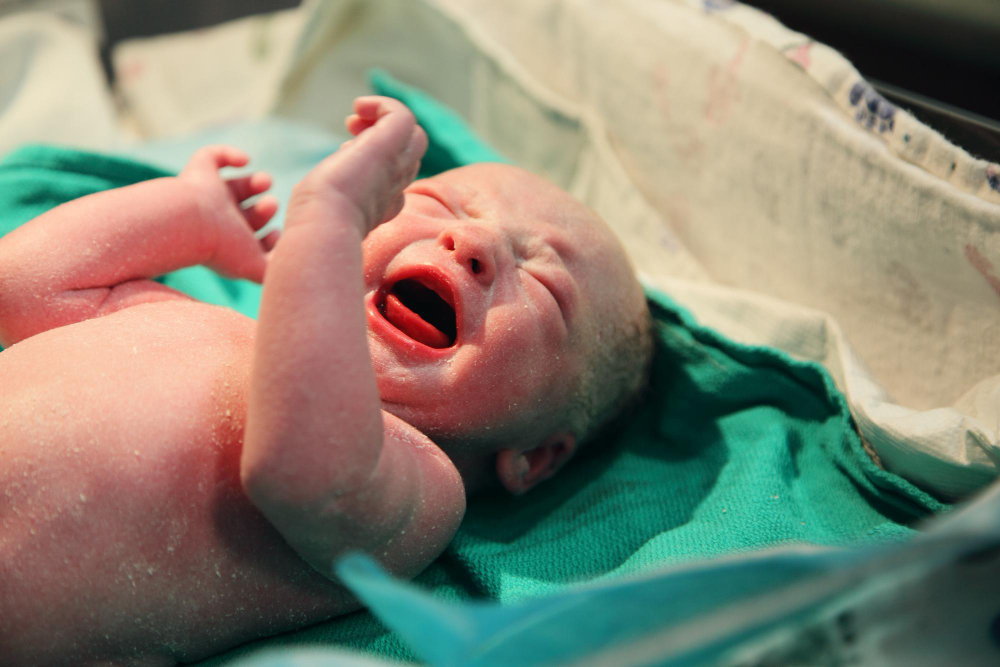
The Neonatal Intensive Care Unit (NICU) is meant to be a place of healing for vulnerable newborns, but medical errors in this high-stakes environment can cause devastating, lifelong injuries. When NICU negligence harms your baby, understanding your legal rights is essential to securing the care your child will need. A NICU stay by itself is not evidence that anything went wrong; many infants need this level of care simply because of prematurity or a medical condition unrelated to any error. Determining whether negligence played a role requires a careful review of the complete record, not an assumption based on the outcome alone.
Understanding NICU Care
NICUs provide specialized care for:
- Premature infants born before 37 weeks gestation
- Low birth weight babies under 5.5 pounds
- Babies with birth injuries requiring monitoring or treatment
- Infants with respiratory distress or breathing problems
- Babies with infections, jaundice, or other medical conditions
- Newborns requiring surgery or specialized procedures
NICU patients are among the most vulnerable in any hospital, tiny, fragile, and unable to communicate their distress. This makes attentive, competent care absolutely critical.
Types of NICU Negligence
Medication Errors
NICU medication dosing requires extreme precision, babies weigh only pounds, and even small calculation errors can cause overdoses with devastating consequences. Common medication errors include:
- Dosing errors: Wrong dose calculated for baby’s weight
- Wrong medication: Administering incorrect drug
- Wrong route: IV medication given orally or vice versa
- Timing errors: Delayed or missed doses
- Drug interactions: Harmful combinations not recognized
Respiratory Care Failures
Premature babies often need breathing assistance. Errors can include:
- Improper ventilator settings causing lung damage (bronchopulmonary dysplasia)
- Failure to monitor oxygen levels leading to hypoxic brain injury
- Excessive oxygen causing retinopathy of prematurity (blindness)
- Extubation failures or delayed reintubation
Infection Control Failures
NICU babies have underdeveloped immune systems. Hospital-acquired infections can be deadly:
- Central line infections from improper sterile technique
- Sepsis from unrecognized or untreated infections
- Meningitis with permanent neurological consequences
- Necrotizing enterocolitis (NEC) outbreaks linked to contaminated formula or equipment
Feeding and Nutrition Errors
Proper nutrition is critical for NICU babies:
- Feeding tube misplacement causing aspiration or perforation
- Formula contamination leading to NEC or infection
- Failure to monitor growth and adjust feeding
- Delayed recognition of feeding intolerance
Monitoring Failures
NICU babies require constant monitoring:
- Failure to respond to alarms (alarm fatigue)
- Inadequate vital sign monitoring
- Failure to recognize deterioration
- Delayed response to emergencies
Temperature Regulation Errors
Premature babies cannot regulate body temperature. Hypothermia or hyperthermia from incubator malfunctions or improper settings can cause brain damage or death.
A Hypothetical Example
The scenario below is a hypothetical, offered to illustrate how alarm-fatigue cases are typically evaluated, not an account of an actual case or client. A premature infant in a Chicago NICU is on continuous oxygen saturation monitoring. Over a night shift, the monitor alarms repeatedly due to normal movement artifacts, and the assigned nurse, managing several other high-acuity infants, silences the alarm each time without a bedside check. During one of these silenced periods, the baby experiences a genuine desaturation event lasting several minutes before it is discovered. The baby is later diagnosed with a hypoxic brain injury. A case built on facts like these would examine the nurse-to-patient staffing ratio that shift, the unit’s alarm-management protocol, and whether the response to that particular alarm departed from accepted NICU nursing standards. That determination requires the monitor data log, nursing staffing records, and charting from that shift, reviewed by a qualified neonatal nursing expert.
Injuries Caused by NICU Negligence
- Hypoxic-ischemic encephalopathy (HIE): Brain damage from oxygen deprivation
- Cerebral palsy: From brain injury during NICU stay
- Retinopathy of prematurity (ROP): Vision loss or blindness from oxygen mismanagement
- Hearing loss: From certain medications (aminoglycosides) or infections
- Chronic lung disease: From ventilator-induced lung injury
- Developmental delays: From untreated jaundice, infections, or other conditions
- Death: In the most tragic cases
Common Defenses in NICU Negligence Cases
NICU cases are contested aggressively, partly because premature and critically ill newborns already face elevated risk of complications independent of any care error. Expect hospitals and insurers to raise:
- Prematurity itself explains the outcome. Conditions like ROP, NEC, and chronic lung disease occur in premature infants who received appropriate care, so defense experts will argue the complication was inherent to the baby’s gestational age and condition, not a result of any error.
- The unit followed its protocols. Hospitals will point to written NICU policies and argue staff complied with them, even where a family believes the response was too slow.
- Staffing levels met applicable standards. Defense experts may argue the nurse-to-patient ratio in place that shift was within accepted norms for the unit’s acuity level.
- The injury was caused by an underlying condition, not the NICU care. Especially in cases involving infection or feeding complications, causation is often the most contested element.
Each of these defenses can be tested against the complete monitoring data, staffing records, and nursing documentation, which is why a thorough records request is the first real step in any NICU case evaluation.
How a NICU Case Is Typically Investigated
NICU records are dense, technical, and voluminous compared with a standard labor and delivery chart, which is why these cases usually require more time upfront. The process generally starts with a complete pull of every category of record listed above, cross-referenced against each other, do the monitor printouts match the nursing notes for the same time period, does the medication administration record match the physician orders. Where a specific event, an infection, a desaturation, a medication error, is at issue, an independent neonatologist or NICU nursing expert reviews that specific window of care against the unit’s own documented protocols and the broader accepted standard of care for a NICU of that designated level. If causation is contested, a pediatric neurologist or other specialist is typically retained to connect the specific care failure to the child’s current diagnosis and prognosis. Only once this review supports a claim can the affidavit of merit required under 735 ILCS 5/2-622 be completed and a lawsuit filed.
Proving NICU Malpractice in Illinois
Medical malpractice claims require proving:
- Duty: The NICU staff owed your baby a duty of care
- Breach: Care fell below accepted medical standards
- Causation: The substandard care caused your baby’s injury
- Damages: Your baby suffered actual harm
Under 735 ILCS 5/2-622, your attorney must obtain a written affidavit of merit from a qualified medical expert confirming reasonable and meritorious cause for the claim, and file it with the complaint. A complaint filed without this affidavit can be dismissed regardless of the underlying strength of the case.
Who May Be Liable
- Neonatologists: Physicians specializing in newborn care
- NICU nurses: For medication, monitoring, and care errors
- Respiratory therapists: For ventilator and oxygen management errors
- Pharmacists: For dispensing errors
- The hospital: For systemic failures, understaffing, inadequate training
Illinois Statute of Limitations for Minors
Under 735 ILCS 5/13-212, the statute of limitations for medical malpractice involving minors is:
- 8 years from the negligent act, OR
- Before the child’s 22nd birthday, whichever comes first
This extended period exists because NICU injuries may not become fully apparent until the child fails to meet developmental milestones. Illinois also applies a modified comparative negligence standard under 735 ILCS 5/2-1116, which bars recovery only by a plaintiff who is more than 50% at fault. In practice this rarely matters in a birth injury case: the injured plaintiff is a newborn, who cannot be at fault for their own injury, and Illinois does not impute a parent’s conduct to the child’s claim. Defendants occasionally raise it to shift blame toward the mother or an earlier provider, and the medical record is what answers that. If the NICU is part of a public hospital operated by a unit of local government, 745 ILCS 10/8-101(b) of the Tort Immunity Act sets a two-year deadline from discovery of the injury, with a four-year outer limit, and that timeline should be confirmed as early as possible.
Compensation for NICU Negligence
NICU malpractice cases often involve substantial damages:
- Lifetime medical care: Ongoing treatment, therapy, specialists
- Adaptive equipment: Wheelchairs, communication devices, home modifications
- Special education: Schools and services for developmental delays
- 24/7 care: For severely disabled children
- Lost earning capacity: Your child’s diminished future earnings
- Pain and suffering: Physical and emotional harm
- Parents’ damages: Emotional distress, caregiving costs
Illinois has no statutory cap on non-economic damages in medical malpractice cases. The Illinois Supreme Court struck down the prior cap as unconstitutional in Lebron v. Gottlieb Memorial Hospital, 237 Ill. 2d 217 (2010). Illinois medical malpractice law generally does not permit punitive damages against health care providers, so compensation is built on documented, provable harm rather than a punitive award.
Chicago and Cook County NICU Levels
Not every hospital that delivers babies has the same level of NICU capability. Illinois designates perinatal centers by level, from basic special care nurseries up to Level IV units capable of the most complex neonatal surgery and care. If your baby required a higher level of care than the delivering hospital could provide, a transfer should have happened, and the timing of that transfer, along with the baby’s condition before and after, is often central to a NICU case. Ask specifically what level the delivering hospital’s nursery was designated, and whether that matched what your baby’s condition required from birth.
What to Gather Before You Call an Attorney
- Complete NICU admission and daily progress notes
- Medication administration records
- Ventilator settings and respiratory care logs
- Vital sign flowsheets and monitor printouts, including alarm logs if available
- Lab results and imaging studies
- Nursing notes, including shift-to-shift handoff documentation
- Any incident reports, transfer records, or discharge summaries
Documenting Your Own Observations
Parents are often at the bedside for hours or days during a NICU stay and notice things the chart may not fully capture, a nurse who seemed overwhelmed, an alarm that went unanswered for an unusually long time, a change in your baby’s color or breathing that you mentioned to staff. Keep a simple, dated log of these observations, including who you spoke to and what was said. These notes are not a substitute for the medical record, but they can help an attorney and a medical expert know exactly where in a lengthy chart to focus their review.
Obtaining Medical Records
NICU records are extensive and technical. Important documents include admission and daily progress notes, medication administration records, ventilator settings and respiratory care logs, vital sign flowsheets and monitor printouts, lab results and imaging studies, nursing notes and assessments, and any incident reports. Request complete records promptly, hospitals must maintain them for years, but obtaining them early ensures nothing is altered or lost.
Long-Term Outlook and Ongoing Follow-Up
Because many NICU injuries are neurological or developmental, their full extent is often not clear at discharge. A baby with mild ROP may need only routine follow-up eye exams, while a baby with a more advanced stage may require laser treatment and lifelong vision monitoring. A brief period of oxygen desaturation may leave no detectable effect, or it may contribute to a developmental delay that only becomes apparent when a child misses speech or motor milestones around age two. Chronic lung disease from ventilator support can improve substantially by school age or can persist into a lifelong respiratory condition. This uncertainty is part of why Illinois law gives families years, not months, to evaluate a potential claim, and why continuing every recommended pediatric follow-up, ophthalmology, audiology, developmental pediatrics, neurology, matters both for your child’s care and for documenting the injury’s true trajectory if a claim is pursued later.
Frequently Asked Questions
Does a NICU stay by itself mean something went wrong?
No. Many babies need NICU care for reasons unrelated to any error, including prematurity, low birth weight, or a medical condition present regardless of the quality of care received. A NICU admission is not itself evidence of negligence; only a review of the specific records can determine that.
What if my baby developed an infection in the NICU?
Hospital-acquired infections are not automatically the hospital’s fault, some risk exists even with excellent infection-control practices, but a pattern of infections in a unit, or a documented lapse in sterile technique, can support a claim. This is a fact-specific question that requires the full nursing and infection-control record.
Is there a cap on what we can recover?
No. The Illinois Supreme Court eliminated the cap on non-economic damages in Lebron v. Gottlieb Memorial Hospital. Illinois generally does not allow punitive damages in medical malpractice cases, however.
What if the NICU says the outcome was simply a known risk of prematurity?
Some complications, including certain degrees of ROP or chronic lung disease, are recognized risks even with excellent care. Whether that characterization holds up for your child’s specific case depends on the monitoring records, staffing, and documented response to any warning signs, which is why an independent expert review matters.
Can more than one provider be responsible?
Yes. NICU care involves neonatologists, nurses, respiratory therapists, and sometimes pharmacists and surgeons, each of whom can bear independent responsibility, and the hospital itself can be liable for systemic issues like understaffing or inadequate training.
What if my baby was transferred to a different hospital’s NICU?
Request complete records from both facilities. The transfer note from the sending hospital and the admission assessment at the receiving NICU are often two of the most important documents in the case, since they capture two separate medical teams’ assessments of the baby’s condition at a critical point in time.
How long does a NICU malpractice case typically take?
Given the volume and technical complexity of NICU records, these cases often take longer to investigate and litigate than a standard delivery-room case, commonly one to three years from initial record review through resolution, sometimes longer if the child’s long-term prognosis is still developing.
Why Experience With NICU Records Matters
A NICU chart looks nothing like a standard delivery record. It runs to hundreds or thousands of pages across a stay that can last weeks or months, filled with ventilator settings, lab trends, medication titrations, and shift-by-shift nursing assessments that only make sense when read together and in sequence. An attorney unfamiliar with neonatal intensive care can miss the significance of a gap in charting, an unexplained change in ventilator settings, or a delayed response documented only by the minutes between a lab result and a physician order. Phillips Law Offices works with neonatologists, NICU nursing experts, and pediatric specialists who read these records for a living, which is often the difference between a case that gets dismissed for lack of a clear standard-of-care violation and one that is properly built and proven.
Contact a Chicago Birth Injury Attorney
If your baby was harmed by NICU negligence, contact Phillips Law Offices for a free consultation. We work with neonatology experts to evaluate whether malpractice occurred and fight to secure the resources your child needs for a lifetime of care. If we take your case, you pay nothing unless we recover compensation.
Call Phillips Law Offices at (312) 346-4262 to speak with an experienced Chicago birth injury attorney. The consultation is free, and there is no obligation to move forward.
More Birth Injury Guides
- NICU Complications and Birth Injury Claims: Sepsis, Jaundice, Ventilation, and Records
- Untreated Newborn Jaundice and Kernicterus Brain Damage
- Untreated Low Blood Sugar in Newborns: A Preventable Brain Injury
- Newborn Skull Fractures and Brain Bleeds from a Difficult Delivery
- HIE (Hypoxic-Ischemic Encephalopathy): When Medical Negligence Causes Brain Damage
- What Compensation Can I Recover in a Chicago Birth Injury Case?
- Browse all birth injury guides